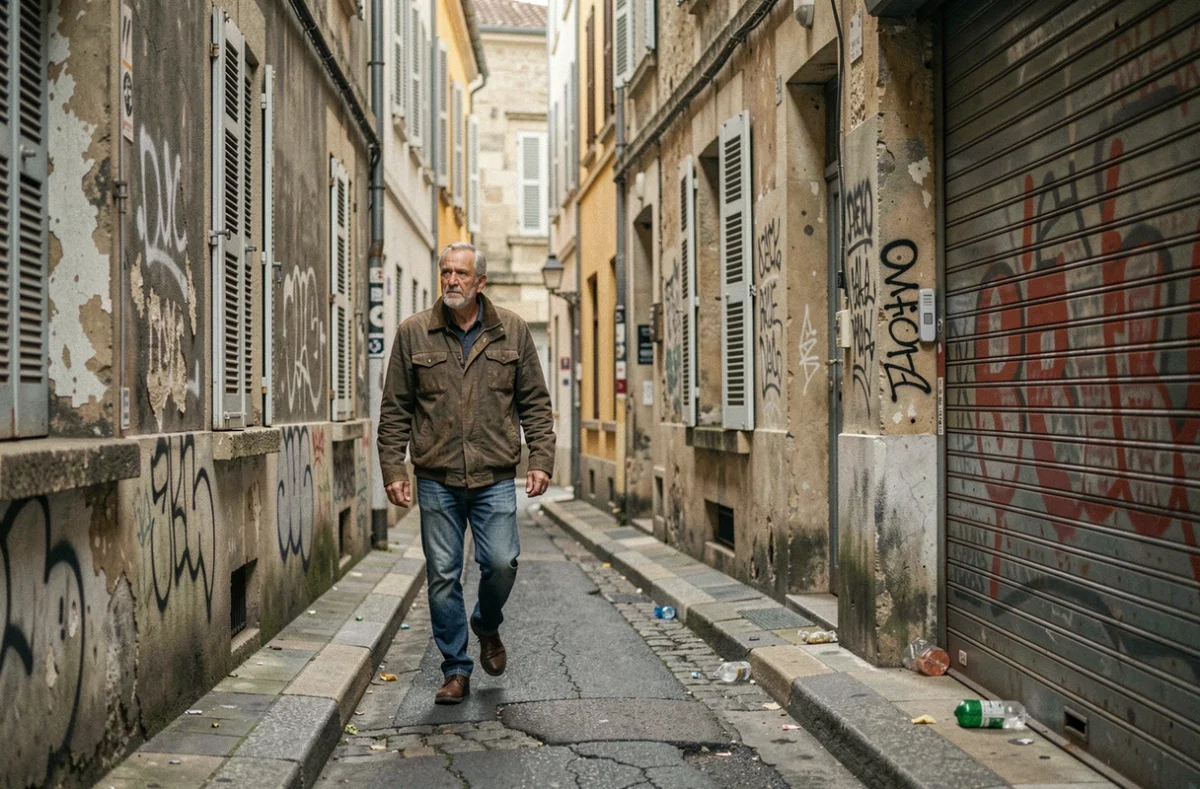
In Blois, the notion of “hot spot” encompasses very different realities depending on whether we are talking about recorded delinquency, median income, or residents’ feelings. The prefecture of Loir-et-Cher has only one priority district under urban policy (QPV) in the regulatory sense, which contrasts with the sometimes conveyed image of a city with multiple dangerous areas.
Understanding this gap between administrative classification and local perception allows for a more accurate view of the urban geography of Blois.
QPV and hot spot in Blois: two concepts to distinguish
The classification as a priority district of urban policy is based on one main criterion: the income of residents. Decree No. 2024-806 of July 13, 2024, updated the list of QPVs in metropolitan France, and Blois has only one, the Kennedy sector. This classification reflects a concentration of economic precariousness, not a measured level of delinquency.
However, the confusion between QPV and “dangerous district” fuels most online discussions. A sector may show low incomes, benefit from enhanced public funding, and present a calm living environment on a daily basis. Conversely, streets located outside the QPV may concentrate occasional nuisances without ever appearing in urban policy measures.
When trying to identify the hot spots of Blois, this distinction changes the interpretation: the official perimeter does not outline a map of danger, but a map of socio-economic fragility.
Crime statistics in Blois: what the data allows (and does not allow) us to say
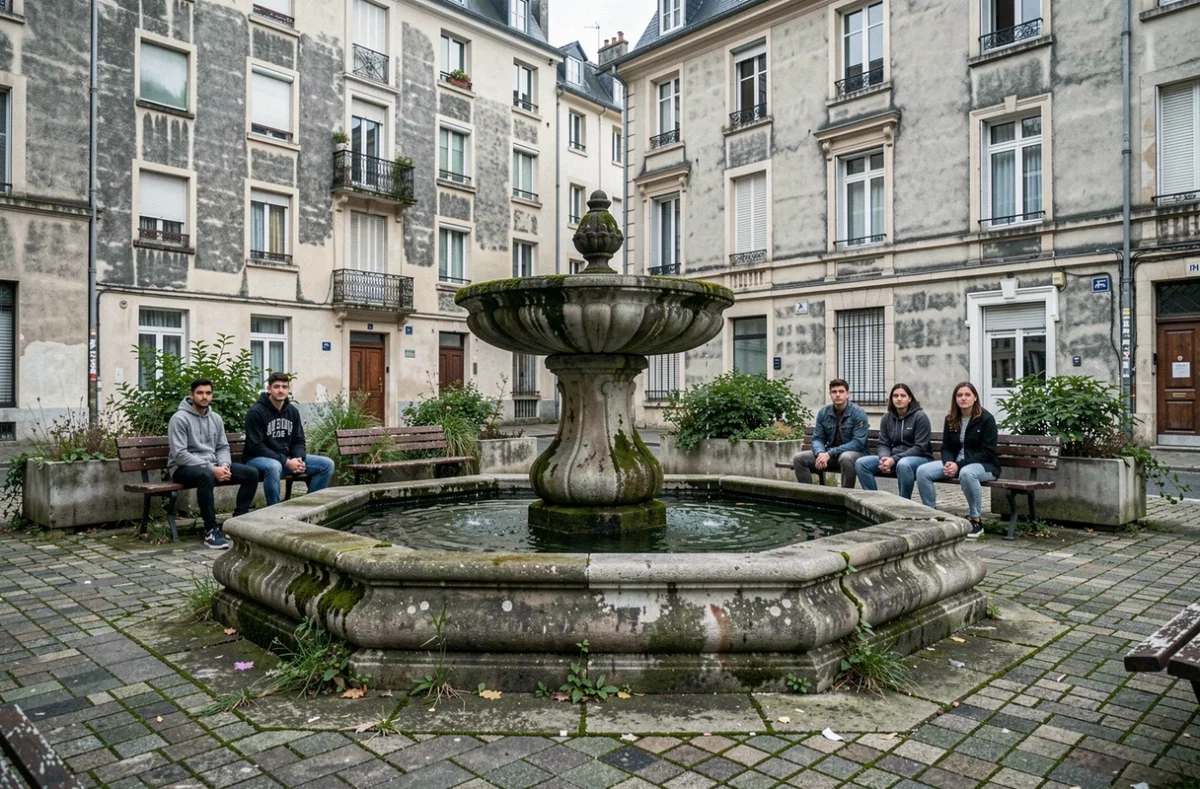
Competing articles often present rankings by neighborhood, from “most dangerous” to “safest.” The problem is that public crime data does not go down to the street level. The figures consolidated by police services are disseminated at territorial scales that do not allow for comparisons between two neighboring streets.
There is also no official map of burglaries or assaults in real-time accessible to the public for Blois. Very precise claims (“this neighborhood is the most dangerous”) therefore rely on testimony or subjective assessment, not on a verifiable statistical measure.
This limitation does not mean that all neighborhoods are equal. It imposes a caution in interpretation:
- A recurring report of nighttime nuisances in a given area reflects residents’ feelings, not a crime statistic
- Incidents reported by local press (trafficking, vandalism) document isolated events, not a consolidated annual trend
- Platforms that assign “safety scores” to a neighborhood rely on methodologies that are rarely transparent
Keeping these limitations in mind helps avoid overinterpreting partial data and stigmatizing an entire area based on a few incidents.
Blois Nord, Kennedy, Vienne: frequently mentioned neighborhood profiles
Three sectors frequently appear in the majority of residents’ testimonies and feedback from local real estate agents.
Kennedy Sector
As the only QPV in Blois, Kennedy concentrates the public measures related to the “Quartiers 2030” city contract. This national program, deployed over the period 2024-2030, is not limited to security: it covers employment, social cohesion, improvement of living conditions, and access to services. The QPV classification of Kennedy indicates economic precariousness, not a permanent physical danger.
Blois Nord and La Quinière
This area of large housing complexes and houses mixes very different profiles from one street to another. La Quinière is subject to urban renovation programs. The reported nuisances (gatherings, vandalism of urban furniture) are localized at specific points, often related to building lobbies or poorly lit parking lots, and are not spread throughout the entire neighborhood.
Vienne Neighborhood
Vienne illustrates well the necessity to think in terms of streets rather than entire neighborhoods. Some sections benefit from an active commercial fabric and regular foot traffic, while others, more isolated, accumulate commercial vacancies and a sense of isolation in the evening.
Evaluating a neighborhood in Blois before moving in: concrete criteria beyond reputation
The reputation of a neighborhood is built over years, sometimes decades, and can survive long after reality has changed. To form an updated opinion, several concrete elements should be checked on-site.
- Visit the area at different times (morning, late afternoon, evening) to observe the actual atmosphere and the use of public spaces
- Check for the presence of open shops, regular transport, and public facilities (school, post office, medical office), which are indicators of urban vitality
- Consult ongoing urban renovation projects on the municipality or agglomeration website, as a neighborhood undergoing active rehabilitation can change its face in a few years
- Talk to residents of the area rather than relying solely on online reviews, which are often polarized
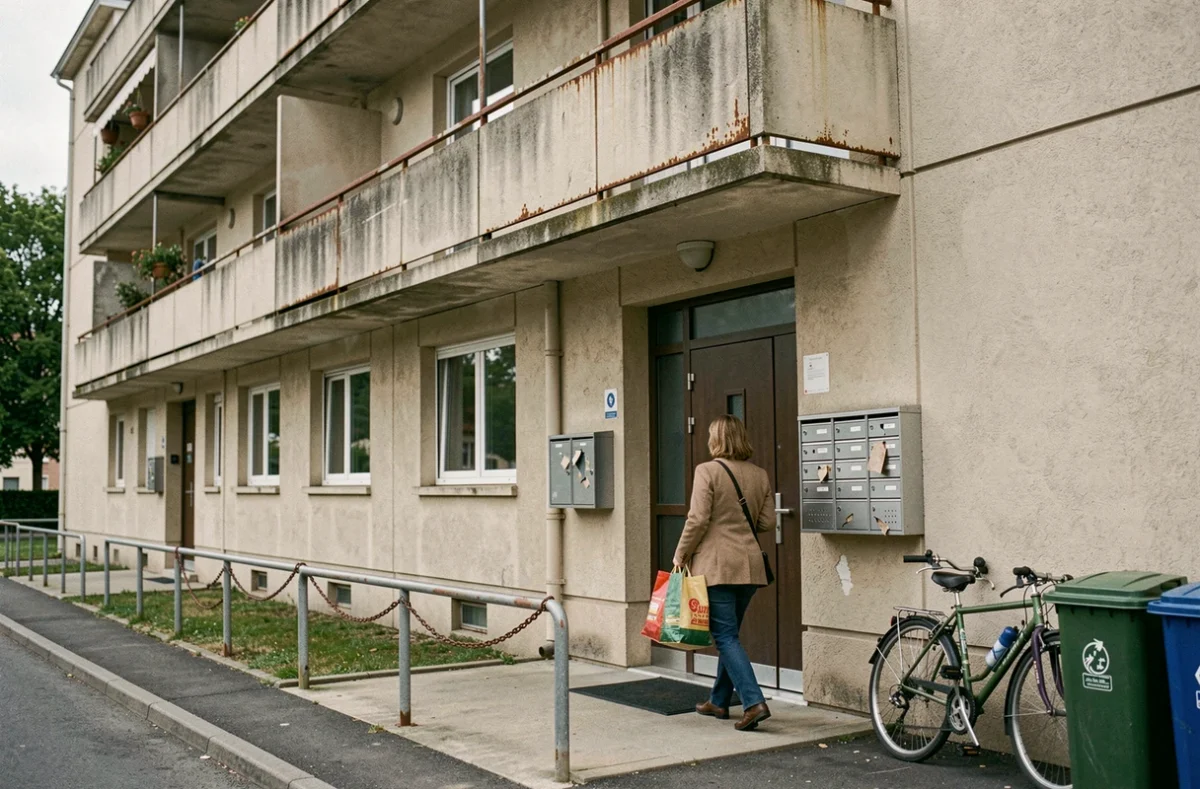
The condition of the housing itself (insulation, common areas, property management) weighs as much on daily quality of life as the postal address. A well-maintained apartment in a reputedly difficult area can offer a better living environment than a degraded housing unit in a sought-after neighborhood.
The geography of sensitive neighborhoods in Blois remains more nuanced than simplified rankings might suggest. The only official QPV is Kennedy, crime data do not allow for ranking streets, and the “Quartiers 2030” programs are gradually changing the urban fabric. Before dismissing an area entirely, a field visit at various times remains the most reliable filter.