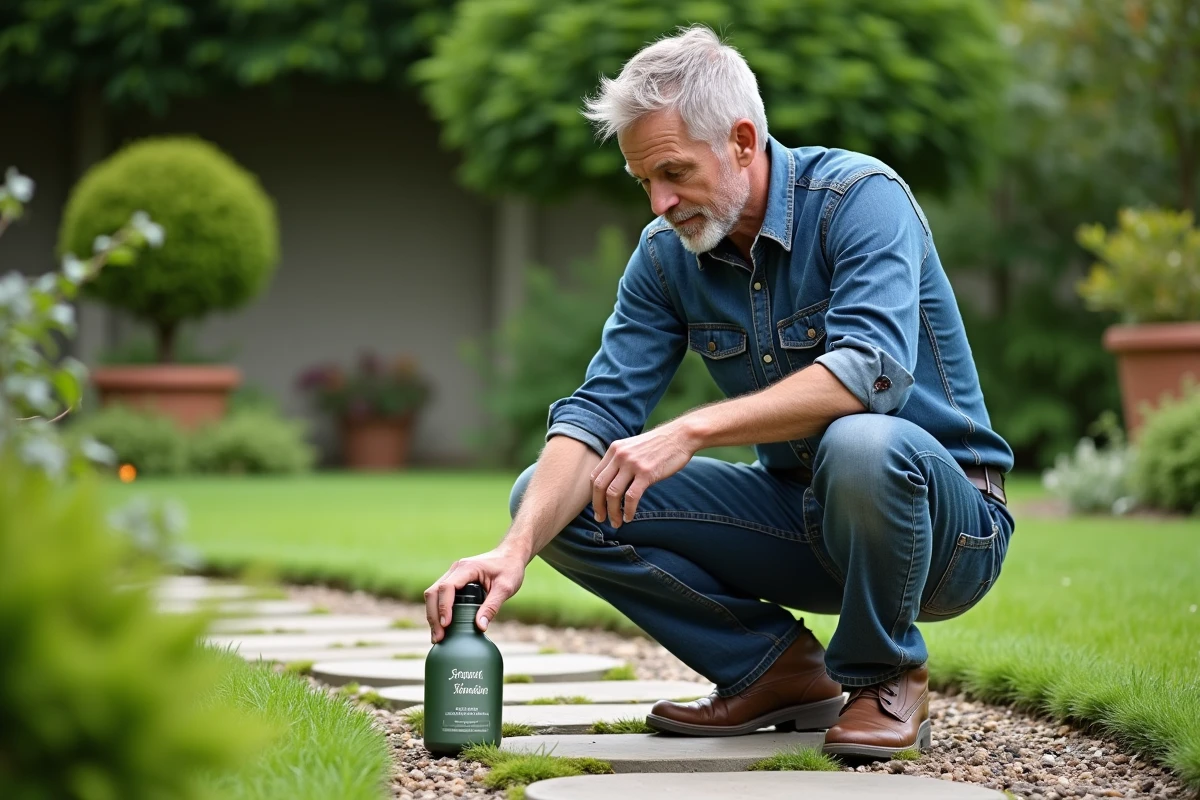
Some anti-moss treatments accelerate the degradation of materials, despite promises of surface respect. French regulations prohibit the use of biocidal products on most driveways, terraces, and private access paths, except for strict exceptions. Mosses resist several natural solutions, while others cause unexpected side effects, such as the proliferation of algae or changes in soil pH.
Faced with the abundance of treatments and conflicting opinions, the choice quickly becomes complicated. Everything depends on the nature of the support, exposure to the climate, the vigor of the moss… and the regularity of your maintenance.
Understanding the appearance of moss on your terraces and driveways: causes and stakes for your outdoor space
Imperceptibly, moss settles in and gains ground on terraces as well as in driveways. Persistent humidity, lack of sunlight, and the porous texture of materials provide mosses, algae, and lichens with all the conditions to thrive. In the shade, or on poorly ventilated surfaces, rain seeps into micro-cracks: colonization begins. Gradually, the seemingly innocuous green layer thickens. We end up dreading this slippery carpet, which makes steps uncertain, wears down soft woods, and erodes stones and pavements.
Behind this appearance issue lie real sustainability stakes. The proliferation of mosses weakens surfaces faster than one might think: materials absorb moisture, deteriorate, and require renewed attention to preserve terraces, steps, and access points. Whether it’s mineral slabs, interlocking pavers, or wooden boards, no one escapes this concern for long. And depending on whether you are dealing with moss, algae, or lichen, the response differs each time. It’s better to analyze precisely to intervene in a targeted manner.
Limiting the establishment of mosses involves a maintenance routine: arming your broom, airing out corners, drying critical areas. But when moss clings persistently, only the best anti-moss products give your floors a chance to regain their original appearance. The choice of treatment is not trivial: each deposit and each material requires a specific method. Distinguishing these differences is already a win on the front of prevention and resistance.
Natural or chemical: which anti-moss solution to prioritize according to your situation?
To face the invasion of mosses, two main families of anti-moss products stand out: natural methods and chemical solutions. It all depends on the context: severity of the situation, type of material, desire to protect the surrounding biodiversity.
On the natural side, those who respect living things have their recipes: white vinegar, baking soda, or citric acid, to be sprayed methodically on slabs, stones, or pavers. These treatments require perseverance: they take time to act, remain harmless to most surrounding plants, but only succeed after several applications, especially if the moss has taken root. On surfaces frequented by children or at the foot of flower beds, these options give meaning to the word precaution: safety takes precedence over immediate results.
Faced with a well-established carpet of moss, chemical products earn the title of expedient solution. Fungicides, concentrated solutions, and anti-green deposit treatments offer formidable effectiveness if the instructions are strictly followed. The application must remain precise: care must be taken not to touch the surrounding flower beds or let residues flow into cultivated areas. For a roof far from plantings or highly exposed driveways, this type of intervention cleans deeply and yields quick results.
Here are some keys to guide your choice based on your context:
- Delicate and lightly infested surface: prioritize the natural method, which is gentler.
- Heavily affected mineral area: an appropriate chemical product allows for quick intervention.
Practical tips for effective and durable treatment, without risk to your garden
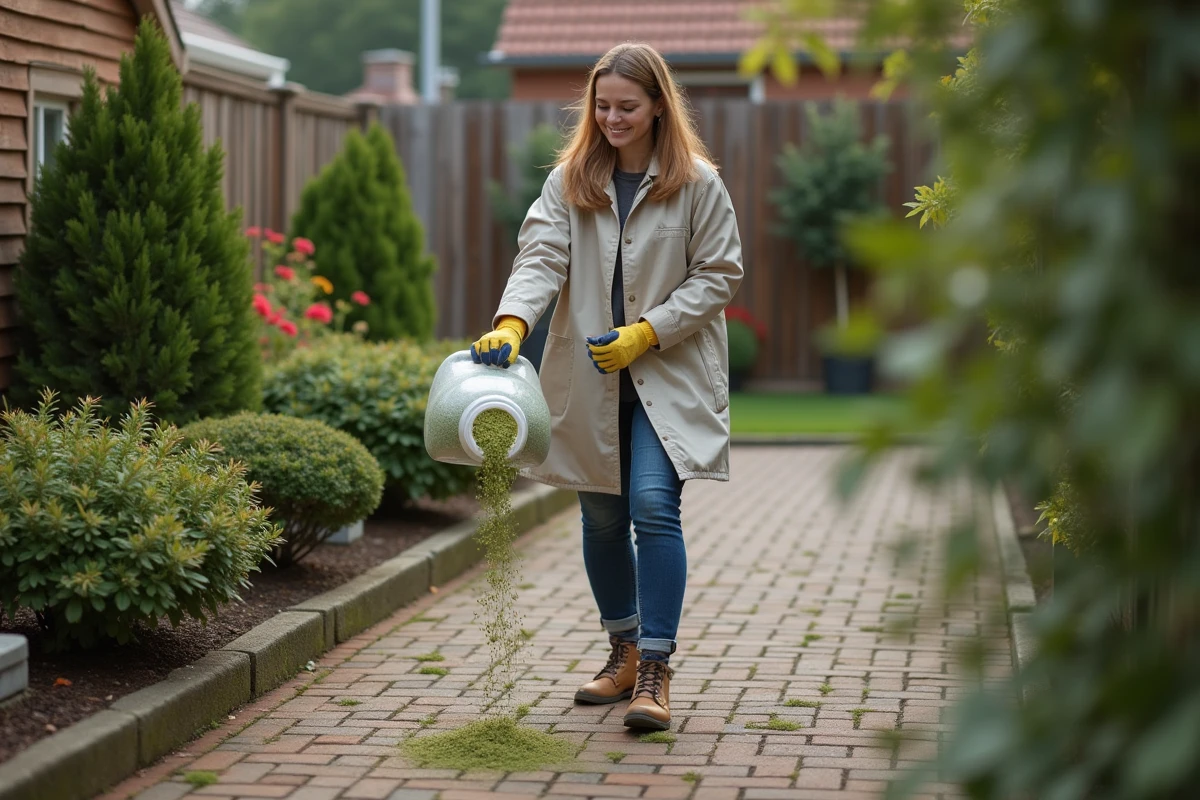
An anti-moss treatment is as much about preparation as it is about the chosen product. To optimize results, you must first clear the space: remove branches, take off large plates with a broom, and wait for dry weather to treat a clean surface. No product performs at its best on waterlogged soils or covered with debris.
On wood, it’s better to test the treatment on a small area before generalizing the application: some solutions, if too concentrated, risk discoloring the material or altering its grain. For pavers or slabs, following the manufacturer’s instructions is the best precaution. Above all, do not start the operation in rainy weather: a properly applied treatment requires at least 24 to 48 hours without rain to deliver its full potential.
Here are some concrete guidelines to integrate good habits into your maintenance routine:
- For an eco-friendly and inexpensive intervention, potato cooking water works wonders on lightly affected surfaces.
- Scheduling two treatments a year, in spring and then in autumn, limits the progression of moss and green deposits.
- After use, always rinse with clear water if necessary, avoiding any runoff towards planted areas.
Choosing the right product and dosing it according to both the surface and the size of your garden helps preserve soil life, protect small wildlife, and maintain the balance of your outdoor space. Treating consciously, regularly, and precisely opens the door to a harmonious, safe space where moss is only a memory of its fleeting victory.
Imagine the next spring: no slipping on the terrace, safe pathways under your feet, stones regaining their original hue. With a precise gesture, you will have relegated moss to the status of a mere parenthesis, not a tenacious enemy of your outdoor spaces.