The spring-summer 2026 fashion market is no longer just a list of items to buy. Shopping journeys are fragmenting between ephemeral drops, second-hand filters integrated into major platforms, and recommendations based on aesthetics rather than product categories. Understanding these mechanisms helps to create a stylish and original look without accumulating clothes that will sit in a closet.
Micro-capsules and local drops: the new fashion calendar
For a few seasons now, mid-range brands like Sessùn, Rouje, Sézane, and Armedangels have been offering micro-capsules available only in certain cities for a few weeks. The principle is based on deliberately limited production, distributed over a restricted geographical area, to create a sense of exclusivity and reduce unsold items.
This model changes the way we shop. Instead of consulting a permanent catalog, one must keep an eye on drop announcements, often shared on Instagram or via newsletters. The item spotted on Tuesday may be sold out by Friday.
For those looking to build a personal style without chasing every collection, the shopping universe of 2moiselles Happy Lookeuses brings together regularly updated selections that take these accelerated distribution rhythms into account.
The impact on looks is tangible: wearing an item from a local drop gives a uniqueness that permanent collections do not provide. Rarity replaces the brand as a style marker.
Second-hand integrated into the classic shopping journey
Second-hand is no longer confined to dedicated platforms. Zalando, La Redoute, and About You report a significant increase in searches related to “second-hand” or “pre-loved” filters directly in their usual shopping sections. La Redoute launched La Reboucle, integrated into the customer journey, in October 2024.
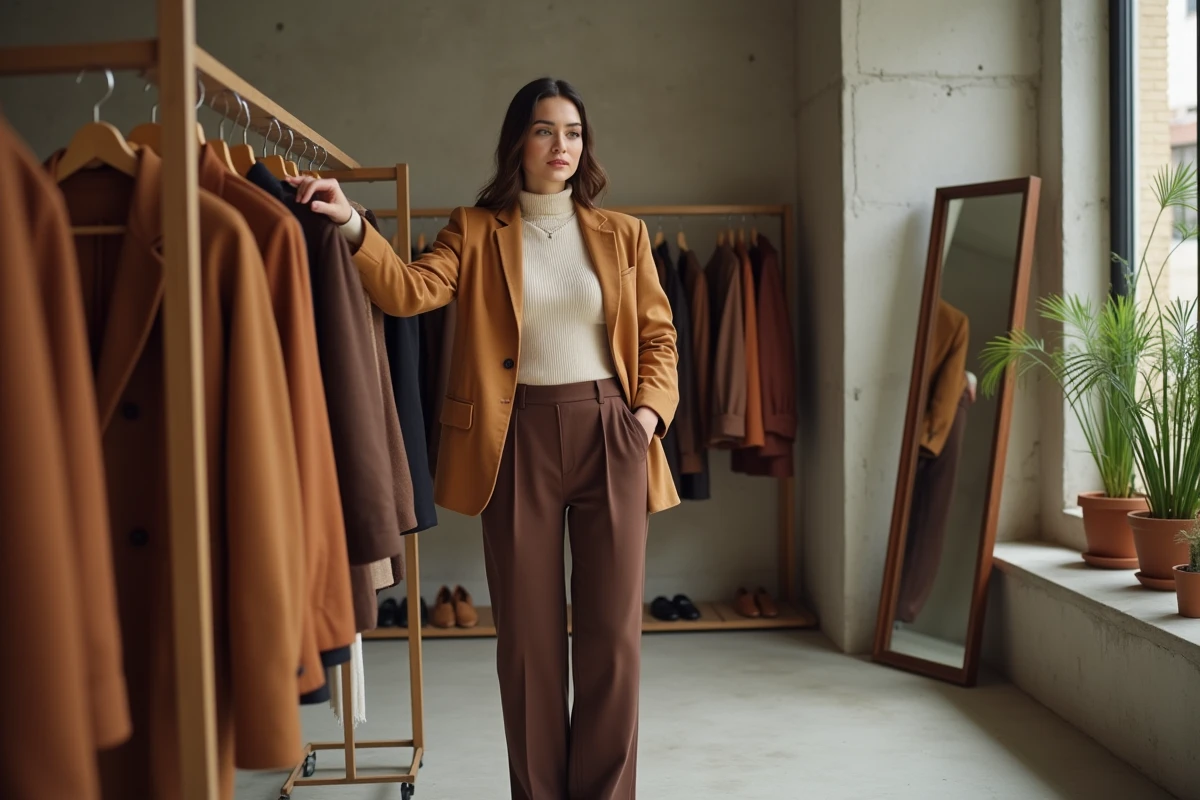
Second-hand has become a normal way to complete a look in the same shopping tunnel as new items. Specifically, a vintage oversized blazer now shares a shopping cart with a new pair of trousers.
This hybridization changes the composition of outfits. Mixing a designer piece found second-hand with mainstream ready-to-wear creates silhouettes that no one else wears. Original style arises from this assembly, not from a total look purchased on the same page.
What this means for the fashion budget
The second-hand reflex allows for redirecting part of the budget towards new, higher-quality pieces. An asymmetrical midi skirt from a designer, found second-hand at a fraction of its original price, frees up budget to invest in an accessory or a bold color of the season.
Recommendations by “mood”: how algorithms guide style
Vinted and Vestiaire Collective no longer just sort by brand or category. Since 2025, their algorithms have been offering recommendations based on aesthetics: coquette, clean girl, blokecore, eclectic grandma. Vinted’s 2025 impact report confirms this shift towards “moods” as a navigation criterion.
Users create original looks without knowing the trends by name. They navigate by visual ambiance, leading to clothing combinations that traditional fashion guides would not suggest.
This system has a limitation. Algorithmic recommendations tend to confine users to one aesthetic once they’ve clicked on it several times. To maintain an evolving personal style, varying searches and mixing moods remains the best strategy.
Color and silhouette trends for spring-summer 2026: what is really worn
Fashion shows and e-commerce selections converge on a few clear directions this season.
- The structured oversized blazer remains a central piece, worn over both a flowy dress and straight jeans, with defined shoulders that shape the silhouette
- Bright colors and arty prints are taking over neutral tones: graphic stripes, abstract patterns, combinations of saturated hues
- Wide trousers, sometimes high-waisted, are establishing themselves as an alternative to skirts for mid-season outfits, in lightweight fabrics that transition from spring to summer
- Accessories play a signature role: structured bags, visible jewelry, thick-soled shoes that anchor even a simple look
The underlying trend is not about accumulating fashion pieces. Field returns show a movement towards “curated fashion”: five to seven strong pieces around which basics revolve. A wardrobe tightened around intentionally chosen pieces produces more combinations than a plethora of clothing.
Modern romance and dark romance
Soft fabrics, ruffles, and a darker palette coexist with bright colors. This duality allows for transitioning from one register to another depending on the occasion, without renewing the entire wardrobe. A ruffled dress in a dark tone can be worn during the day with sneakers or in the evening with golden accessories.
Building a seasonal look without succumbing to trends
The multiplication of channels (drops, second-hand, mood recommendations) offers more choices than ever. The risk is dispersing purchases according to algorithms and ephemeral announcements.
- Identify two or three colors of the season that work with what you already own, rather than buying everything new
- Test second-hand filters on usual platforms before buying new, for the same type of item
- Vary the aesthetics consulted online to avoid being confined to a single algorithmic mood
Original style comes from the intersection of new pieces, second-hand finds, and timing of purchases. A blazer from a local drop, trousers found second-hand, and a bold seasonal accessory form an outfit that no one else will replicate. This season’s fashion rewards those who explore multiple channels rather than those who follow a single guide.